Access what words can’t reach.
〰️
Access what words can’t reach. 〰️
Brainspotting Therapy
Supported healing through the pathways your body already knows
Brainspotting is a trauma-informed modality that supports individual to accessing and processing deeper emotional, somatic, and neurophysiological experiences that may feel out of reach through traditional talk therapy alone. As a certified Brainspotter, I integrate this approach through a neuro-affirming, relational lens which honors your nervous system, sensory experience, and innate capacity for healing.
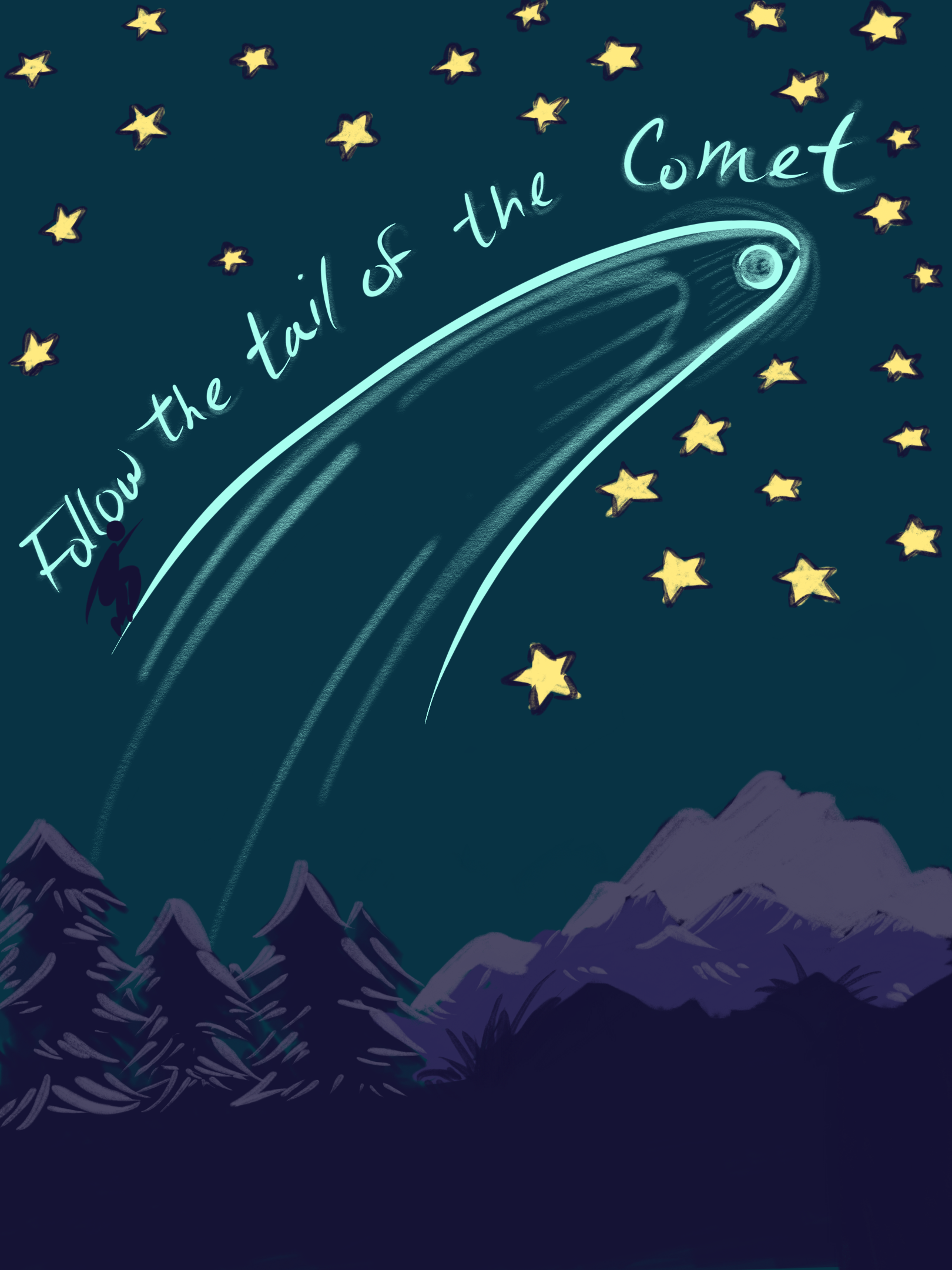
Art created by Ellie Levin for Novel Minds Therapy
What is Brainspotting?
Brainspotting uses dual attunement framework which allows me to stay deeply present and attune to you relationally while I notice and adjust to what your body might be signaling. Brainspotting can support people who:
Experience trauma, PTSD, and C-PTSD
Carry emotional pain that’s difficult to verbalize
Feel “stuck” or overwhelmed
Experience attachment wounds, anxiety, and/or dissociation
Seek to reconnect with themselves in a grounded, nervous-system informed way
Brainspotting, was developed by David Grand, to help release trauma from the body, process memories, and transform experiences. This modality was developed to locate “brainspots” which are specific eye positions in your field of vision linked to somatically helps emotional or physical experiences.
What is my approach?
Together we’ll:
Work with your nervous system – I pay close attention to what your body is signaling, and support you in moving at a pace that respects your sensory needs, thresholds, and regulation.
Collaborate – Together, we’ll locate brainspots through observation, felt-sense awareness, and mutual attunement.
Resource build – When helpful, we’ll identify and strengthen “resource spots”—brainspots linked to calm, grounding, and resilience—to support greater internal stability.
Integrate with other modalities – Brainspotting can work alongside other approaches. I often blend it with neurodiversity-affirming, trauma-informed, relational, and somatic therapies to support holistic healing.
My work is grounded in safety, attunement, and deep respect for your internal experience. Using the dual-attunement model, I maintain a relational, empathic presence to provide a secure container as you explore emotional and somatic states.
Have more questions?
-
Brainspotting sessions are slow-paced, grounded, and attuned. We begin with a brief check-in, then locate a “brainspot” together using your gaze and body cues. You hold your gaze while noticing internal sensations, emotions, or thoughts, and I stay present and supportive throughout. Sessions may include bilateral music and usually involve more noticing than talking.
-
Brainspotting is hard to verbalize but in my experience it can feel like waves of somatic and emotional feelings. Some waves can feel stronger than others depending on the level of attunement and processing.
-
This is a phrase commonly taught to clinicians who use brainspotting as a reminder to follow the client’s internal experience rather than trying to force a specific direction. It’s a way of saying: your nervous system already knows where it needs to go - we’re simply following its lead.
-
Being certified in Brainspotting means I have completed specialized training and supervision in this therapeutic modality. It reflects that I have the knowledge and skills to guide clients safely and effectively through Brainspotting sessions, using both the technical methods and relational attunement that make the work effective.